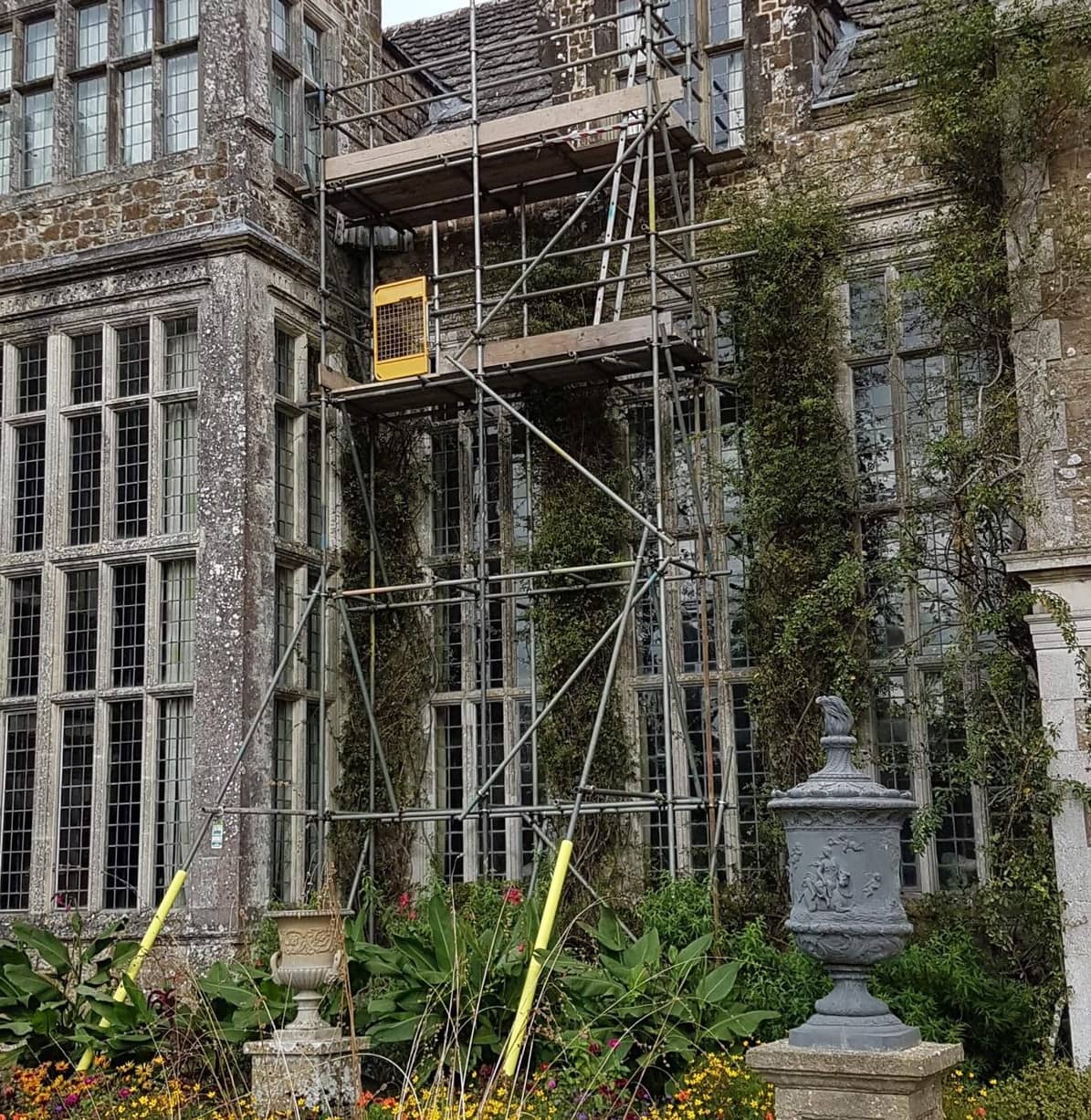
This question has no definitive answer because it all depends on several factors. Some projects may require scaffolding to stay up for years, while others need it for just a few days. However, there is no legal time limit for a scaffold structure to stay up in London or the UK. If a qualified scaffolder inspects the scaffolding weekly and a scafftag is completed, confirming it is safe and secure, the scaffold can be up as long as needed. According to the rules and regulations, scaffolding can be left up for as long as required; however, there must be a reasonable explanation for leaving it standing for safety reasons.
What factors affect the length of time a scaffold structure can stay up?
Type of scaffold: Different scaffolds have various lifespans. Compared to an aluminium tower, a steel scaffold is the most durable and can stay up for several months or even years.
Weather conditions: Constant exposure to harsh weather conditions like high winds, heavy rain and snow can significantly reduce the lifespan of a scaffold. However, this is not that common.
Purpose of the scaffolding: If the scaffold is required for a long-term project, then the hire period will be lengthy, whereas, for a short-term project, the dismantle time will be a lot sooner.
Maintenance: As already explained, if you have a long-standing scaffold, then 7-day scaffolding inspections are necessary, especially if there have been alterations or adverse weather.
Scaffolds erected on public pathways
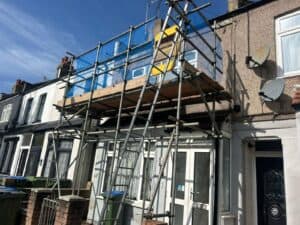
There can be other limitations for leaving scaffolding standing, such as if they are to be erected on a London pavement or highway. This is where you need to arrange for a licence from the local borough council, which is applied for by the scaffolding company, who will meet a highways management team on-site to go through the application. On the application, you must be specific on the timescales for which the scaffold will be required, as this is chargeable per month per street. However, this can be extended and completed before the original licence expires. Different boroughs may have different licence rules, so it is best to double-check what they require.